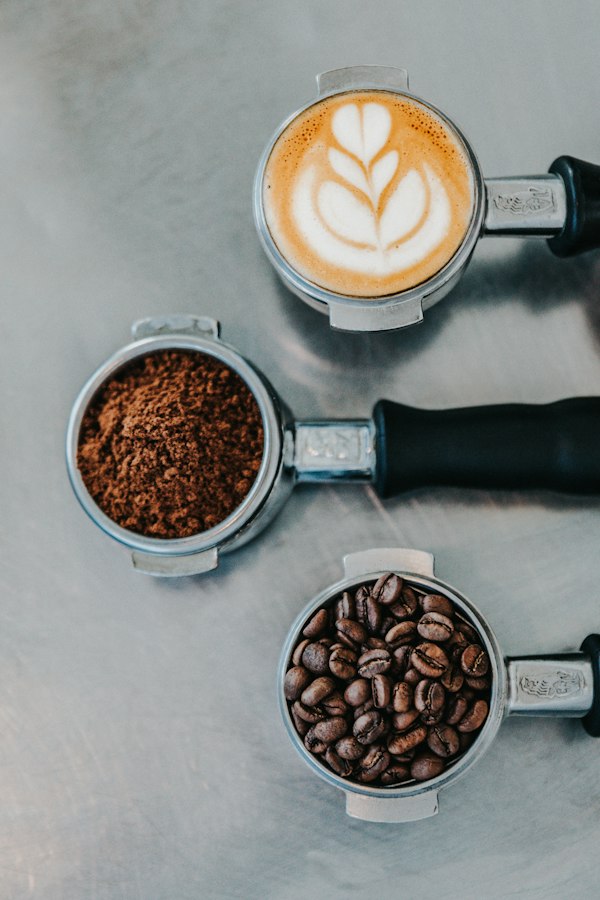
Espresso is more than just strong coffee; it's a complex chemical reaction captured in a tiny cup. Achieving the perfect shot is often described as chasing the "God Shot"—an elusive balance of sweetness, acidity, and bitterness that sings on the palate.
But what actually happens inside the portafilter? When hot water meets compressed coffee grounds under high pressure (usually 9 bars), it emulsifies the oils in the coffee, creating that rich, creamy layer we know as crema.
The Variables of Extraction
To master espresso, one must master the variables. There are three main pillars: Dose, Yield, and Time.
Dose: The amount of dry coffee you put into the basket. For a double shot, this is typically between 18g and 20g.
Yield: The weight of the liquid espresso in the cup. A standard ratio is 1:2, meaning 18g of dry coffee yields 36g of liquid espresso.
Time: How long the water is in contact with the coffee. The sweet spot usually lies between 25 and 30 seconds.
"Coffee is a language in itself. The grind size is its vocabulary, and the extraction is its grammar."
Grind Size Matters
If your shot runs too fast (under 20 seconds), it will taste sour and thin. This is under-extraction. To fix it, you need to grind finer to increase resistance. Conversely, if it drips slowly and tastes bitter (over 30 seconds), it's over-extracted. You need to grind coarser.
Mastering this daily calibration is what separates a good barista from a great one. Environmental factors like humidity and temperature can change how beans absorb moisture, meaning yesterday's perfect grind setting might not work today.
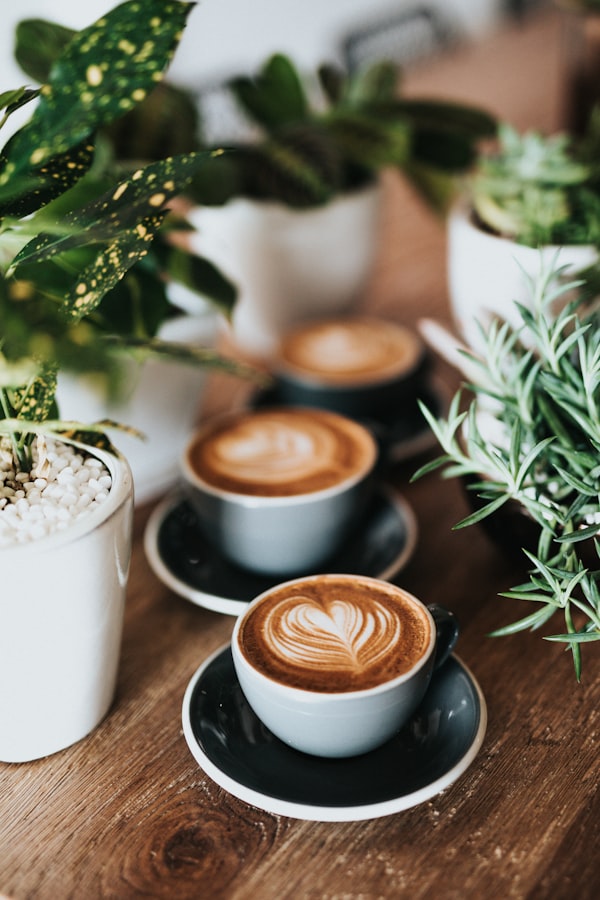
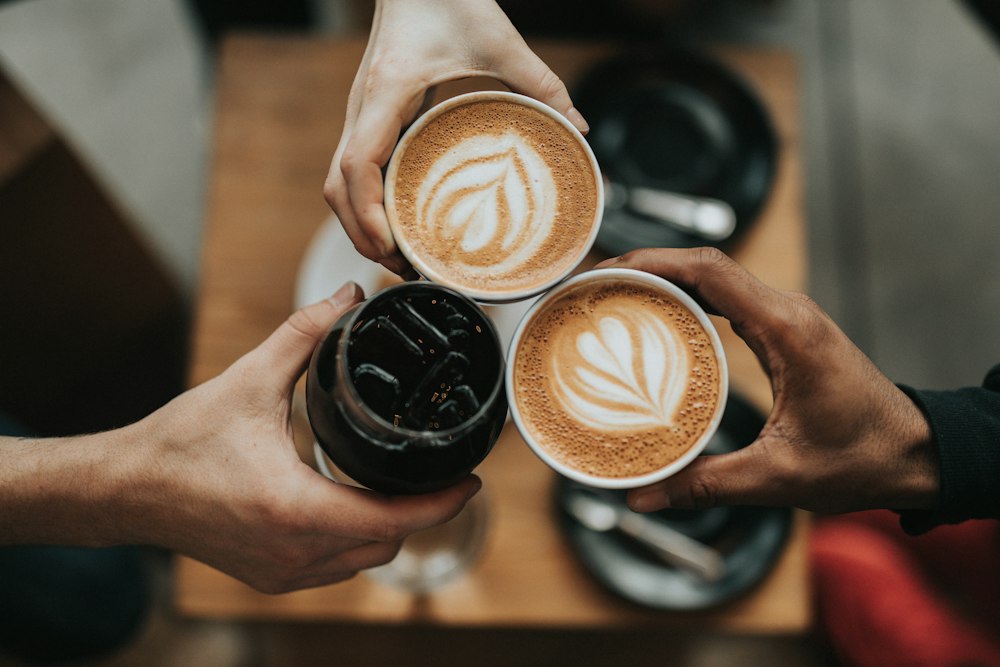
So next time you sip that velvety latte, remember the science and precision that went into that foundational shot of espresso.